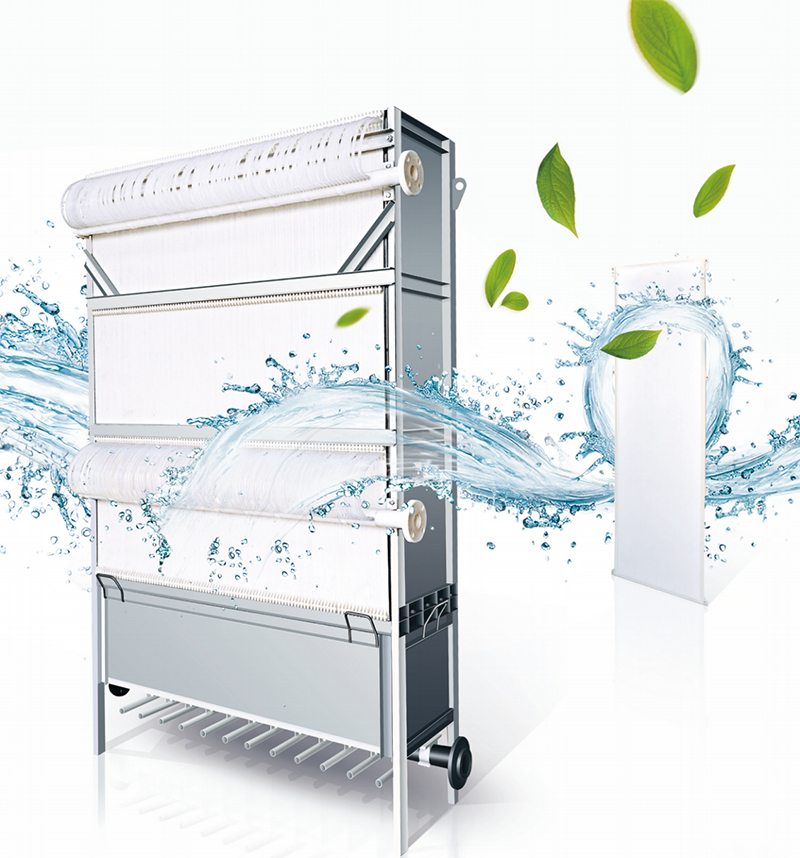
一、What is MBR process?
MBR process, also known as membrane bioreactor process, is an advanced wastewater treatment process that combines biological treatment technology with membrane separation technology. It effectively solves the problems of poor effluent quality and sludge expansion in traditional activated sludge processes by adding membrane separation units to the bioreactor. The MBR process, with its efficient solid-liquid separation capability and high-quality effluent quality, has become an important component of modern wastewater treatment technology.
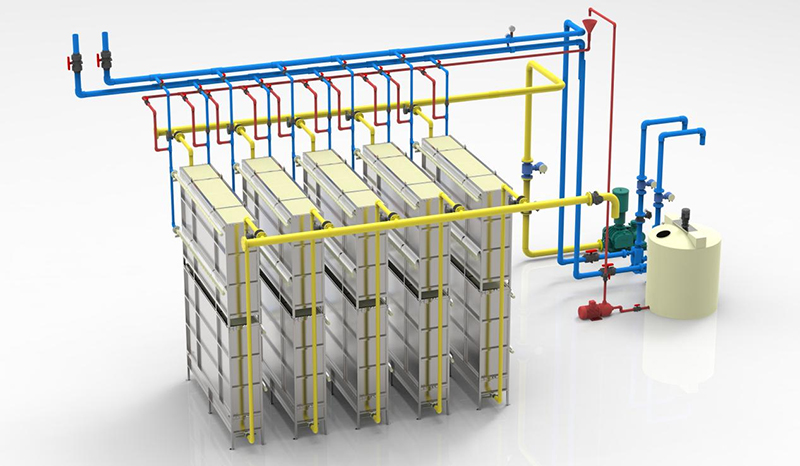
二、Working principle of MBR process
The core of MBR process is to directly place the membrane separation unit (usually ultrafiltration membrane or microfiltration membrane) in the bioreactor, and through the physical separation effect of the membrane, the suspended solids, colloidal particles, microorganisms and other pollutants in the water are trapped inside the membrane, while the treated clean water is discharged from the system through the membrane pores. The entire process is divided into two main parts: biological treatment unit and membrane separation unit.
1. Biological treatment unit: Sewage first enters the bioreactor, where organic pollutants are degraded into carbon dioxide, water, and new cells through the metabolic process of microorganisms. Compared with traditional processes, MBR bioreactors can typically operate at higher sludge concentrations, thereby improving the efficiency of organic matter removal.
2. Membrane separation unit: After biological treatment, the mixed liquid is subjected to solid-liquid separation through membrane modules. The pore size of the membrane is usually between 0.01 and 0.1 microns, which can effectively remove suspended solids and some bacteria from the mixed liquid. The selection of membrane components and operating conditions have a significant impact on the performance of MBR systems, including membrane materials, pore size, operating pressure, etc.
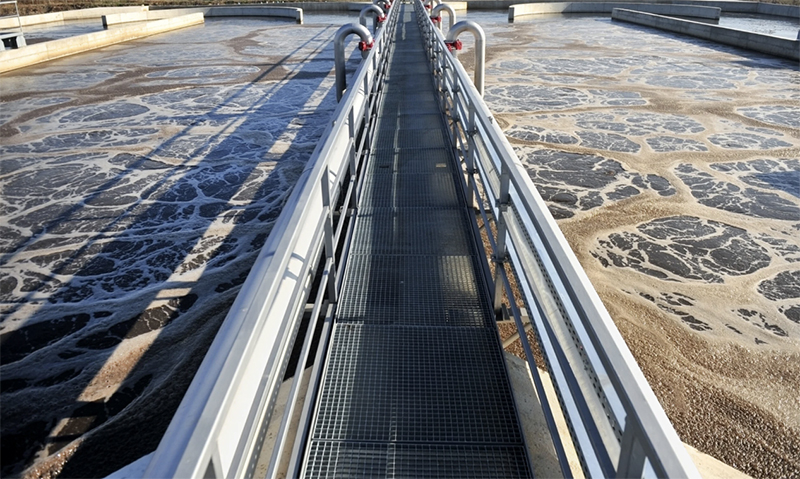
三、Advantages of MBR process
1. High effluent quality: MBR process effectively removes suspended solids and pathogenic microorganisms in water through membrane separation technology, and the effluent quality is much better than traditional processes, which can meet higher standards of discharge or reuse requirements.
2. Small footprint: Due to the MBR process being able to operate at high sludge concentrations, the volume of the bioreactor is relatively small, and the footprint of the entire treatment system is greatly reduced, making it particularly suitable for areas with scarce land resources.
3. Low sludge production: MBR technology, due to its efficient biodegradation and solid-liquid separation capabilities, typically produces less residual sludge, reducing the cost of sludge treatment and disposal.
4. High degree of automation: MBR system is easy to achieve automated operation. Through online monitoring and control system, key operations such as membrane fouling and membrane cleaning can be effectively managed, reducing the need for manual operation.
5. Strong flexibility: The MBR system is designed modularly for easy expansion and modification, and can flexibly adjust the operating parameters of the system according to changes in water quantity and quality.
4、 Application areas of MBR technology
MBR technology is widely used in municipal sewage treatment, industrial wastewater treatment, and water reuse projects. Specific application areas include:
1. Municipal sewage treatment: used for upgrading and constructing urban domestic sewage treatment plants, especially suitable for areas with high requirements for effluent quality.
2. Industrial wastewater treatment: Suitable for high concentration organic wastewater treatment in industries such as chemical, pharmaceutical, and food processing. It can treat wastewater containing difficult to degrade organic compounds and effectively reduce the discharge of industrial wastewater.
3. Water reuse project: MBR process has excellent effluent quality and is suitable as a treatment process for reclaimed water reuse, irrigation water, and landscape water, which helps alleviate the problem of water scarcity.
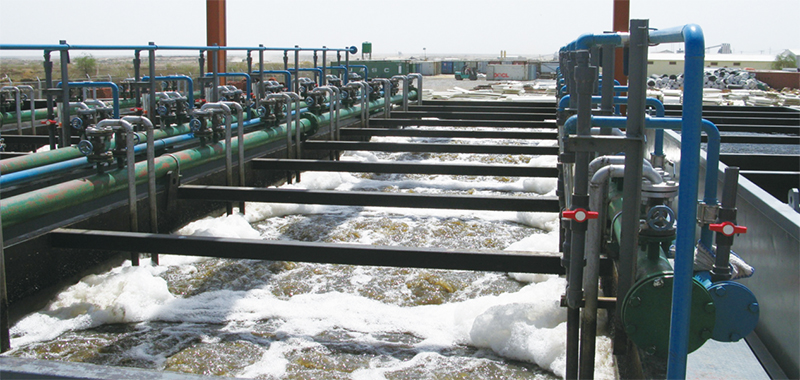
五、Challenges and Future Development of MBR Process
Although MBR technology has significant advantages, it also faces some challenges in practical applications, such as membrane fouling issues, lifespan management of membrane components, and high operating costs. To address these challenges, future development directions include:
1. Improvement of membrane materials: Develop membrane materials with stronger anti fouling ability and longer lifespan, reducing operational problems and maintenance costs caused by membrane fouling.
2. Process optimization: By improving the design and operating conditions of the bioreactor, the overall energy efficiency and processing capacity of the system are enhanced, reducing energy consumption and operating costs.
3. Intelligent management: Introducing IoT and artificial intelligence technologies to achieve intelligent operation and remote monitoring of MBR systems, improving the automation level and operational efficiency of the system.
As an efficient sewage treatment technology, MBR process will play a more important role in the future environmental protection field with the continuous progress of technology and the gradual expansion of application.