一、What is SBR process?
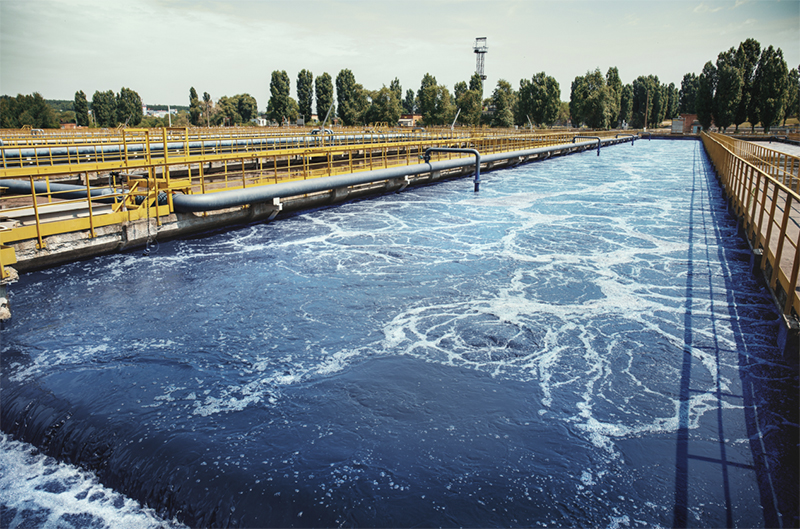
SBR process, also known as Sequential Batch Reactor, is an intermittent wastewater treatment technology. Unlike traditional continuous flow activated sludge process, SBR process divides the sewage treatment process into several stages, each stage being carried out sequentially in the same reactor. The SBR process is widely used in various municipal and industrial wastewater treatment projects due to its flexible operation, strong adaptability, and excellent effluent quality.
二、The working principle of SBR process
The core of SBR process lies in its periodic operation, which completes sewage treatment by controlling the time and conditions of different stages. A complete SBR operation cycle typically includes five main stages:
1. Fill stage: During this stage, the raw sewage enters the reaction tank and is fully mixed with the activated sludge in the tank. The water inlet method can be continuous or intermittent, depending on the nature of the wastewater and treatment requirements.
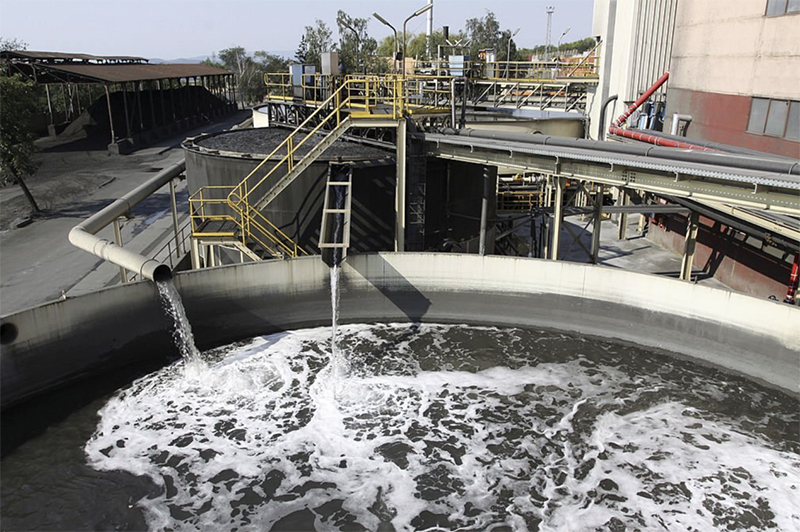
2. Reaction stage: After the water inlet is completed, the reaction tank enters the aeration stage, providing oxygen to support the metabolic activity of microorganisms. During this stage, microorganisms in activated sludge degrade organic pollutants in wastewater, converting them into carbon dioxide, water, and newly formed sludge.
3. Settle stage: After the reaction is complete, stop aeration and enter the settling stage. At this point, activated sludge settles under the action of gravity, forming clear water supernatant and lower sludge sediment.
4. Drainage stage (Draw): After sedimentation is completed, the supernatant is discharged from the system to form treated effluent. Drainage can be carried out through overflow outlets or other means, usually only removing the upper clear liquid and retaining the lower sludge for the next cycle.
5. Idle phase: After the drainage is completed, the system can enter an idle phase and wait for the start of the next processing cycle. At this stage, a small amount of aeration or agitation can be carried out in the tank to maintain the activity of the activated sludge.
三、Advantages of SBR process
1. Excellent treatment effect: SBR process can achieve good organic matter removal effect and has strong ability in nitrogen and phosphorus removal. By optimizing the reaction conditions, the effluent quality can reach a higher standard.
2. Flexible operation: The periodic operation mode of SBR process enables it to flexibly adjust the time and conditions of each stage to adapt to different water quality and treatment needs. Especially suitable for treating wastewater with large fluctuations in water quantity and quality.
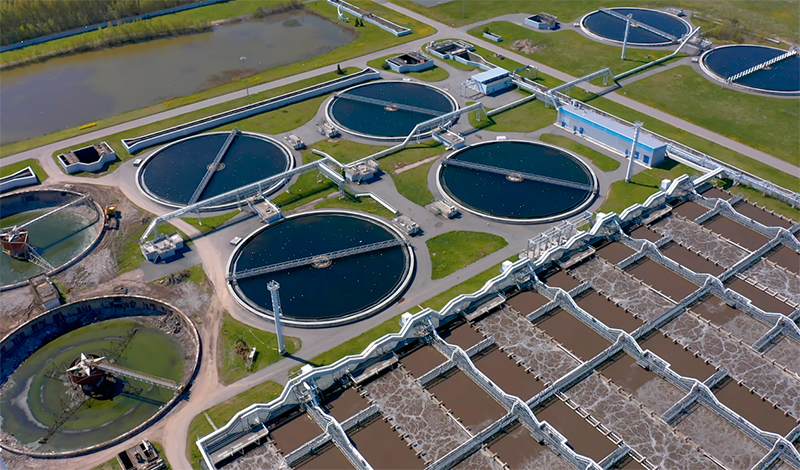
3. Small footprint: Due to the SBR process completing multiple treatment stages in the same reaction tank, there is no need for multiple reaction tanks, thus saving footprint.
4. Process simplification: The SBR process integrates multiple functions such as water inlet, reaction, sedimentation, and drainage, eliminating the need for units such as primary and secondary sedimentation tanks in traditional processes and simplifying the process flow.
5. Convenient maintenance and management: The SBR process is easy to operate, easy to achieve automated control, and relatively easy to maintain and manage on a daily basis.
4、 Application areas of SBR process
The SBR process is suitable for various municipal and industrial wastewater treatment projects, with specific application areas including:
1. Municipal sewage treatment: Used for small and medium-sized sewage treatment plants, especially suitable for urban sewage treatment projects with large fluctuations in water volume or the need to improve effluent quality.
2. Industrial wastewater treatment: Suitable for high concentration organic wastewater treatment in industries such as chemical, food, and pharmaceutical, it can effectively remove organic pollutants and nutrients such as nitrogen and phosphorus from wastewater.
3. Township sewage treatment: In township sewage treatment projects, SBR process has become an ideal choice due to its small footprint and flexible operation.
4. Sewage upgrading and renovation: applicable to the upgrading and renovation of existing sewage treatment facilities, which can improve the effluent quality without significantly increasing land occupation and investment.
5、 Challenges and Future Development of SBR Process
Although SBR technology has many advantages, it also faces some challenges in practical applications, such as management of treatment cycles, sludge expansion, and system regulation. To address these challenges, future development directions include:
1. Process optimization and improvement: Further optimize the time and operating conditions of each stage to enhance the processing efficiency and stability of the system.
2. Intelligent control: By introducing an intelligent control system, automatic monitoring and precise control of the SBR process can be achieved, reducing human operational errors and improving processing efficiency.
3. Sludge management: Develop more effective sludge control and treatment technologies to prevent sludge expansion and ensure long-term stable operation of the system.
4. Integration and combination process: Combining SBR process with other treatment processes to form a more efficient comprehensive sewage treatment system to meet complex sewage treatment needs.
SBR process, as an efficient and flexible sewage treatment technology, has a wide range of application prospects in the field of sewage treatment. With the continuous advancement of technology and the accumulation of application experience, SBR process will play a more important role in the future development of sewage treatment technology